10 January 2026
The family reunion is one of those ideas that sounds wonderful and then, the moment you begin organising it, becomes a logistics challenge of considerable scale. Where do twenty people sleep? How do you keep three generations happy at the same time? What happens when the teenagers want to disappear and the grandparents want company? Who cooks? Who cleans? And how do you make it feel like a holiday for the person doing the organising?
We have hosted dozens of family reunions at Moulin à Rêves, and we have learned a few things. Here is what works.
The Architecture of Togetherness
The single most important decision in planning a family reunion is accommodation, and the single most important quality of that accommodation is this: separate sleeping, shared living. Families need to be close enough to gather easily and far enough apart to retreat when they need to. A hotel scatters everyone along corridors. A single large house forces everyone into the same rhythm. A compound — three houses arranged around shared gardens — does something different. It gives each family unit a front door, a kitchen, a living room, and a bedtime that belongs to them, while the garden between the houses becomes the communal space where everything interesting happens.
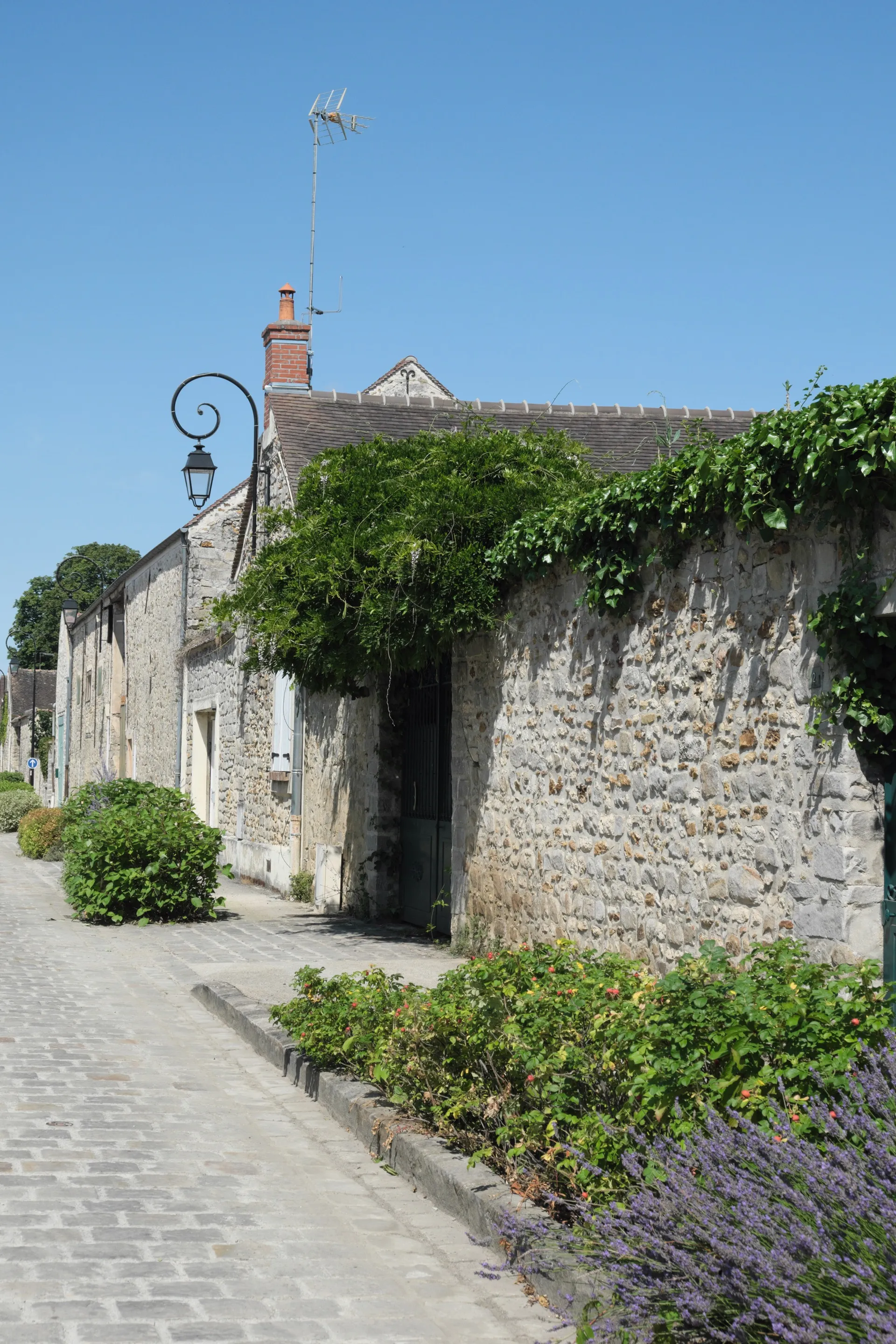
At Moulin à Rêves, the three houses — Le Moulin, La Grange, and Le Jardin — each sleep six, for a total of twenty. They are close enough that a child can run between them, and far enough apart that you cannot hear the baby crying in the next house. This turns out to be the exact right distance for a family reunion.
Let Someone Else Feed You
The fastest way to ruin a family reunion is to let the cooking fall to one person. The second fastest way is to let everyone cook together in a kitchen designed for two. Our advice: outsource the meals that matter most, and keep the rest simple.
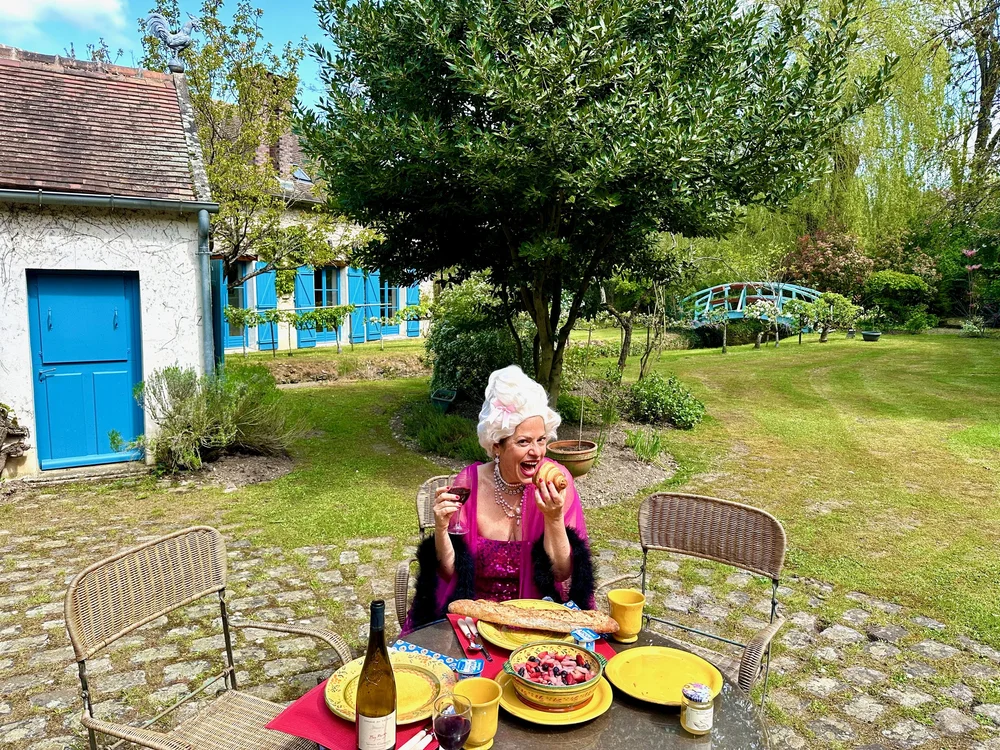
We offer breakfast delivery each morning — baskets of croissants, fresh bread, local butter and jam, delivered to each house before anyone is fully awake. This alone changes the rhythm of the day. Nobody has to plan breakfast. Nobody has to shop for it. You just open the door and it is there.
For dinner, consider hiring a private chef for at least two or three evenings. The long outdoor dinner — twenty people at a table beneath the linden trees, the children running back and forth, the wine being poured, the conversation getting louder as the evening gets softer — this is the image everyone will remember. Let a professional make the food. You make the memory.
For the other evenings, keep it simple. The markets at Milly-la-Foret and Fontainebleau are excellent, and the kitchens in each house are designed for real cooking. A rotation works well: each house takes a turn preparing dinner for the whole group. The competitive instinct alone will produce some remarkable meals.
Plan Less Than You Think
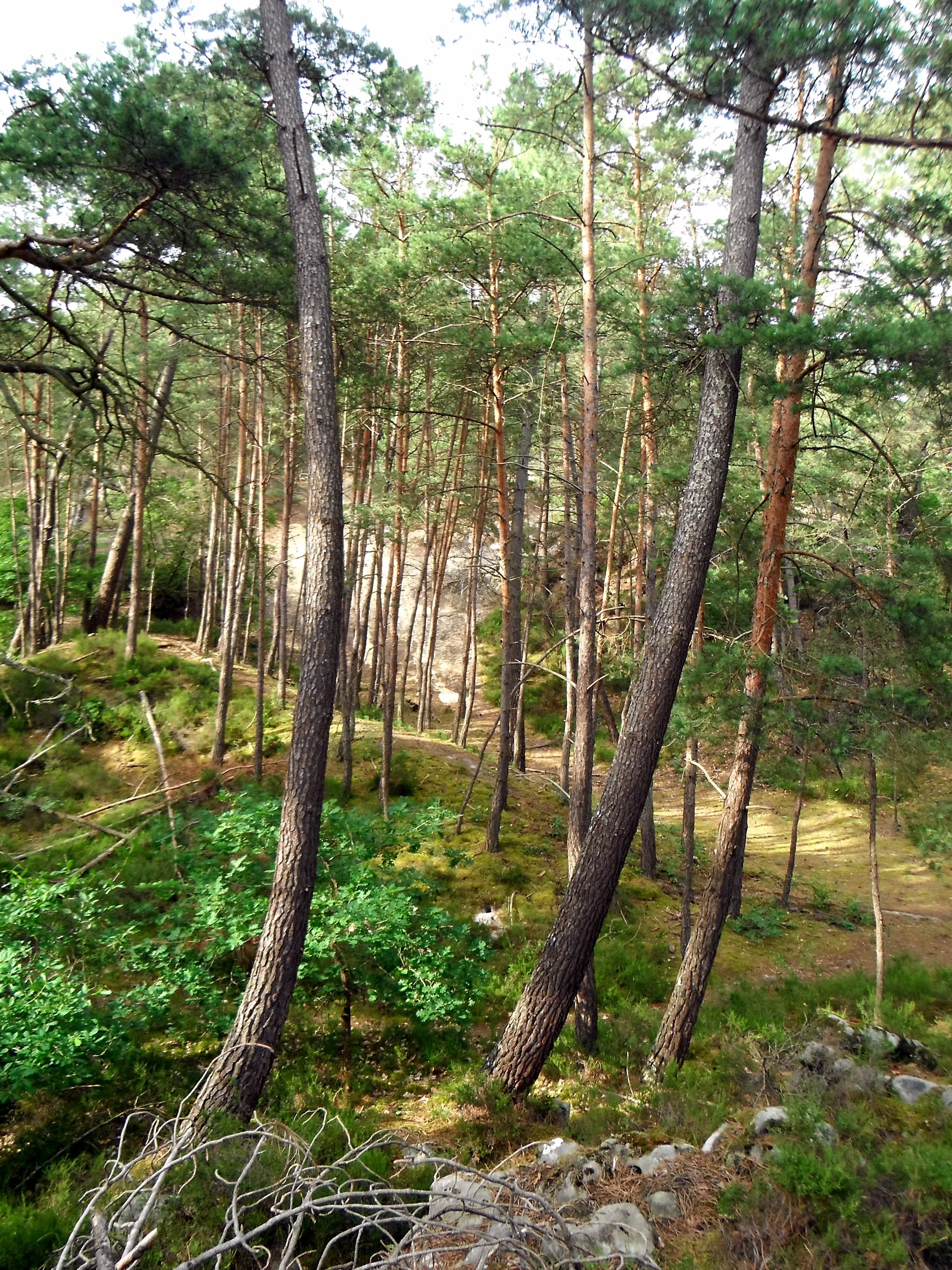
The temptation with a family reunion is to fill the days with activities. Resist this. The best reunions we have seen are the ones where the organiser planned two or three things and left the rest open. A morning trip to Fontainebleau Forest. An afternoon at the Chateau. A wine tasting in the garden. Beyond that, let people find their own rhythm.
The teenagers will disappear into the forest with a football. The grandparents will sit on the terrace with a book and a coffee and a view of the millstream. The parents will finally have a conversation that lasts more than four minutes. The children will make friends with the frogs. None of this requires a schedule.
The Power of the Shared Space
The garden at Moulin à Rêves has a long table that seats twenty. It is made of reclaimed oak and it sits beneath a pair of linden trees that are older than anyone in your family. This table is where the reunion actually happens — not during the planned activities, not during the excursions, but during the long dinners that start at seven and end when someone notices it is midnight and the children fell asleep in their chairs two hours ago.
There is also a petanque court (essential for any gathering of more than four French people, and surprisingly compelling for everyone else), a lawn large enough for yoga or croquet or both, and the millstream itself, which provides a gentle background soundtrack to everything.
Choose the Right Season
Summer (July and August) is the classic choice for family reunions. The days are long, the evenings are warm, and the garden is at its best. Book well in advance — these months fill first.
September and early October are, in our opinion, the best-kept secret. The summer crowds have gone, the forest is turning gold, the light has that warm, low quality that makes everything beautiful, and the markets are full of mushrooms, figs, and late-season tomatoes. The evenings are cool enough for a fire, and warm enough to eat outdoors with a jacket.
Spring (April through June) is when the gardens and forest are at their most alive. The wisteria on Le Jardin blooms in May. The forest floor is covered in wildflowers. Paris is an hour away if anyone wants a day trip.
Start the Conversation
The best family reunions start with a conversation, not a booking. Tell us how many you are, which generation needs the most space, whether anyone has dietary requirements or mobility concerns, and what kind of week you are imagining. We will suggest a configuration of houses, recommend catering options, and put together a proposal that takes care of the logistics so you can focus on what actually matters: being together.
Moulin à Rêves sleeps up to 20 across three houses, with shared gardens, a millstream, and catering services. Get in touch to start planning your family reunion.